SpunkAI

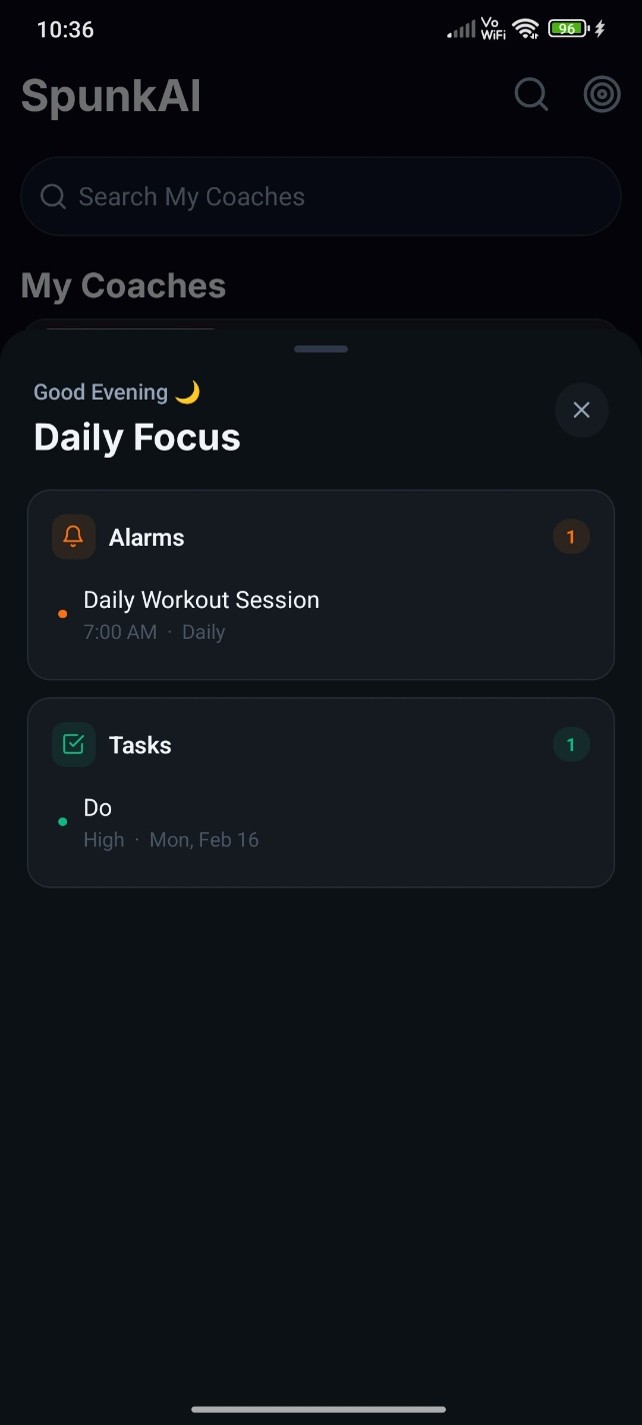
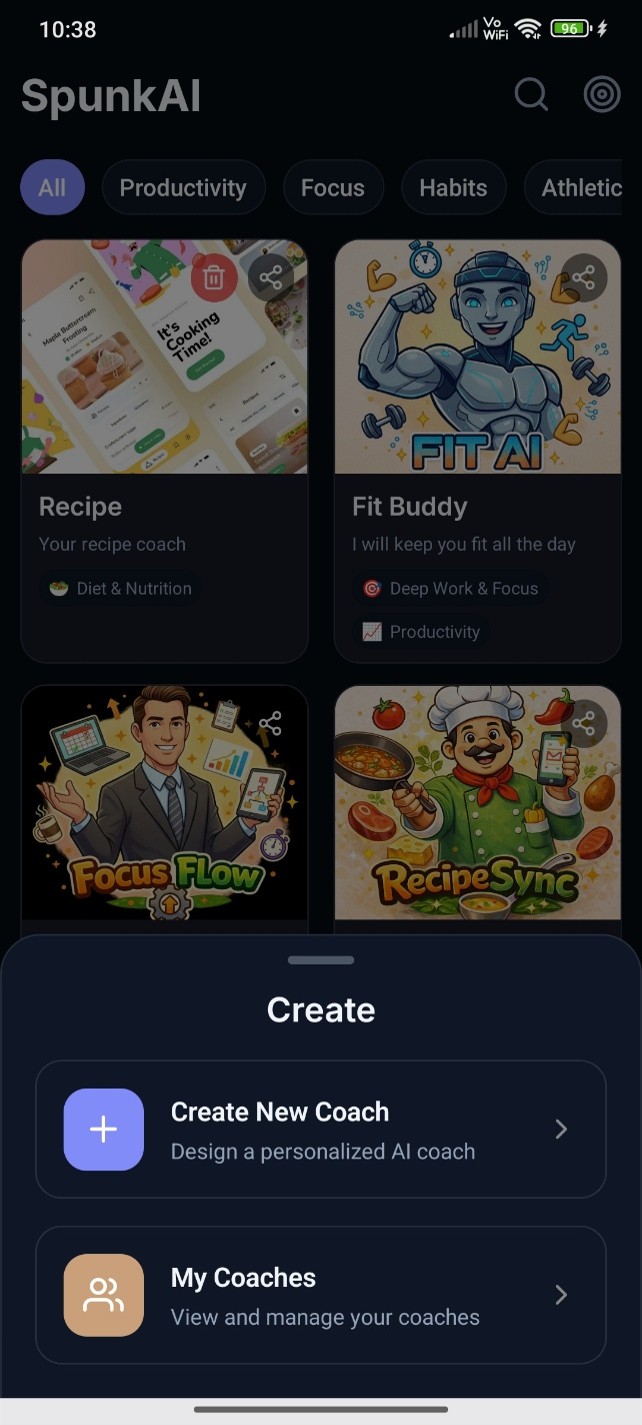
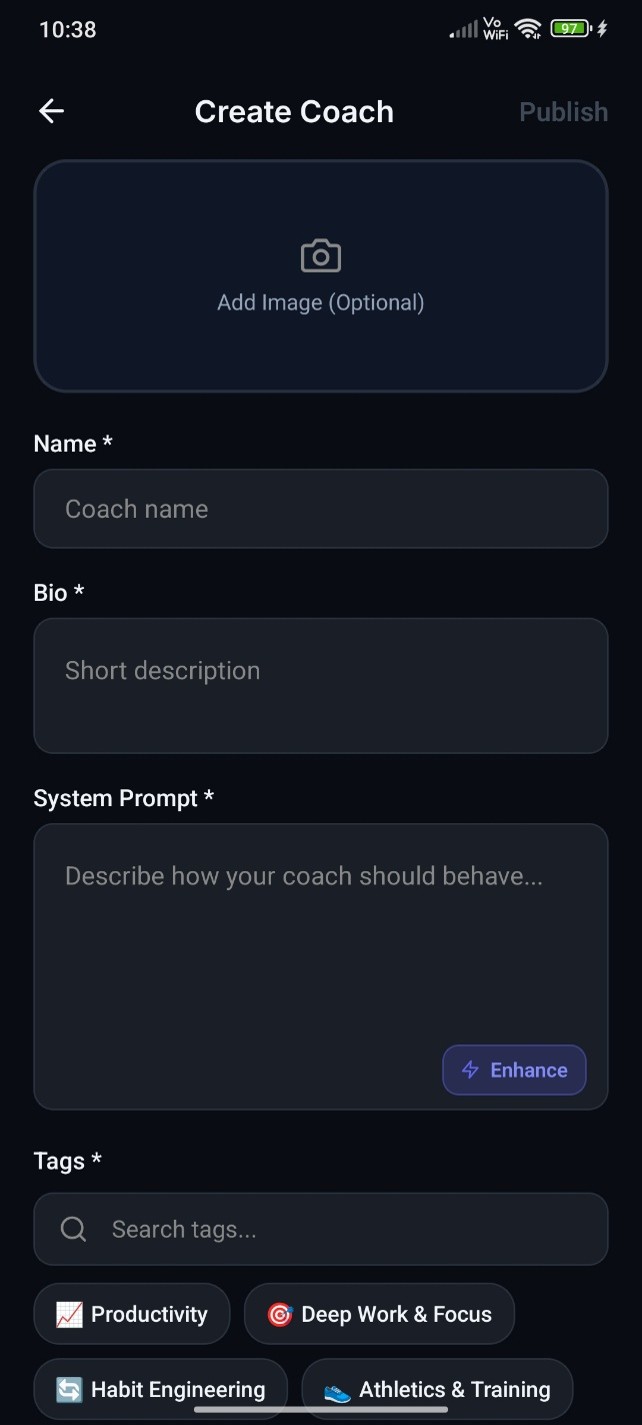
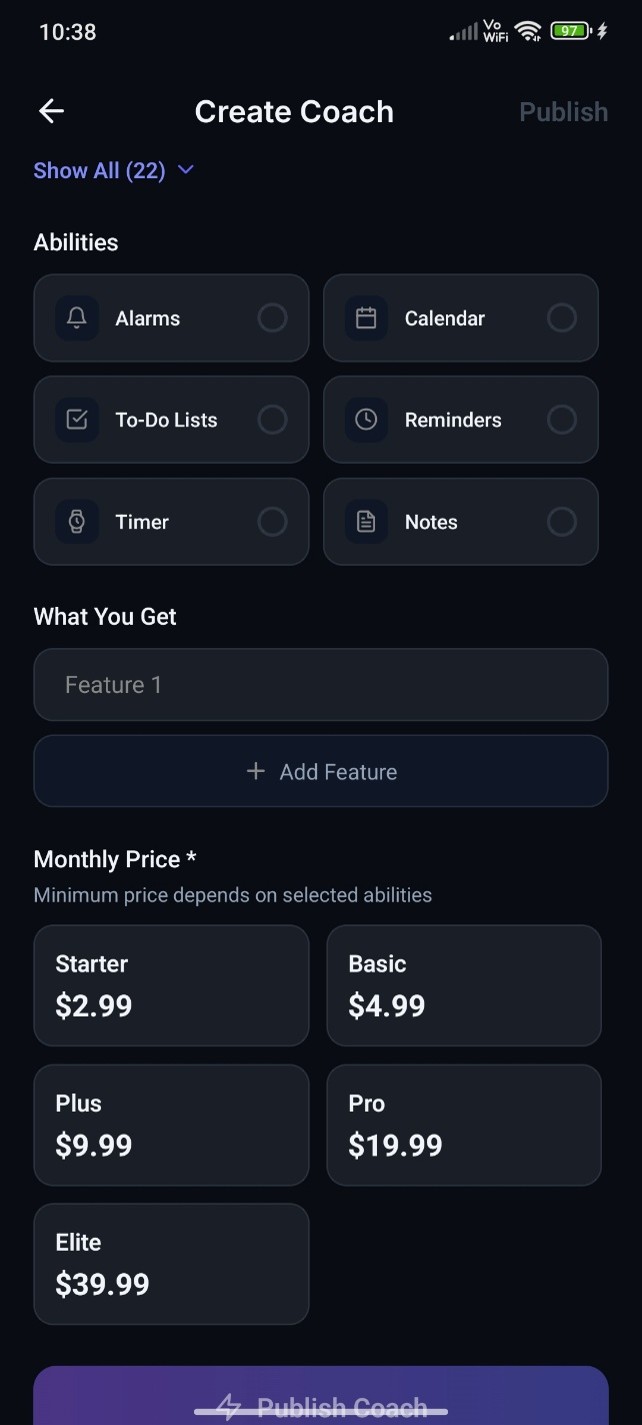
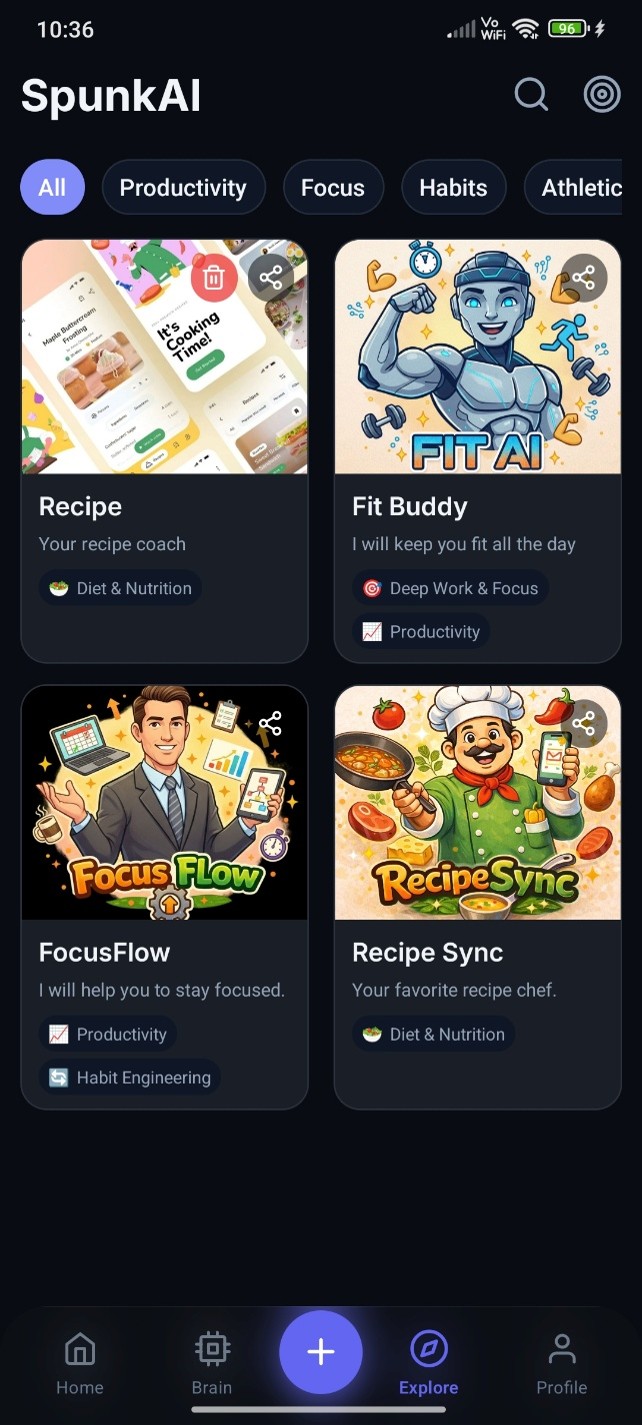
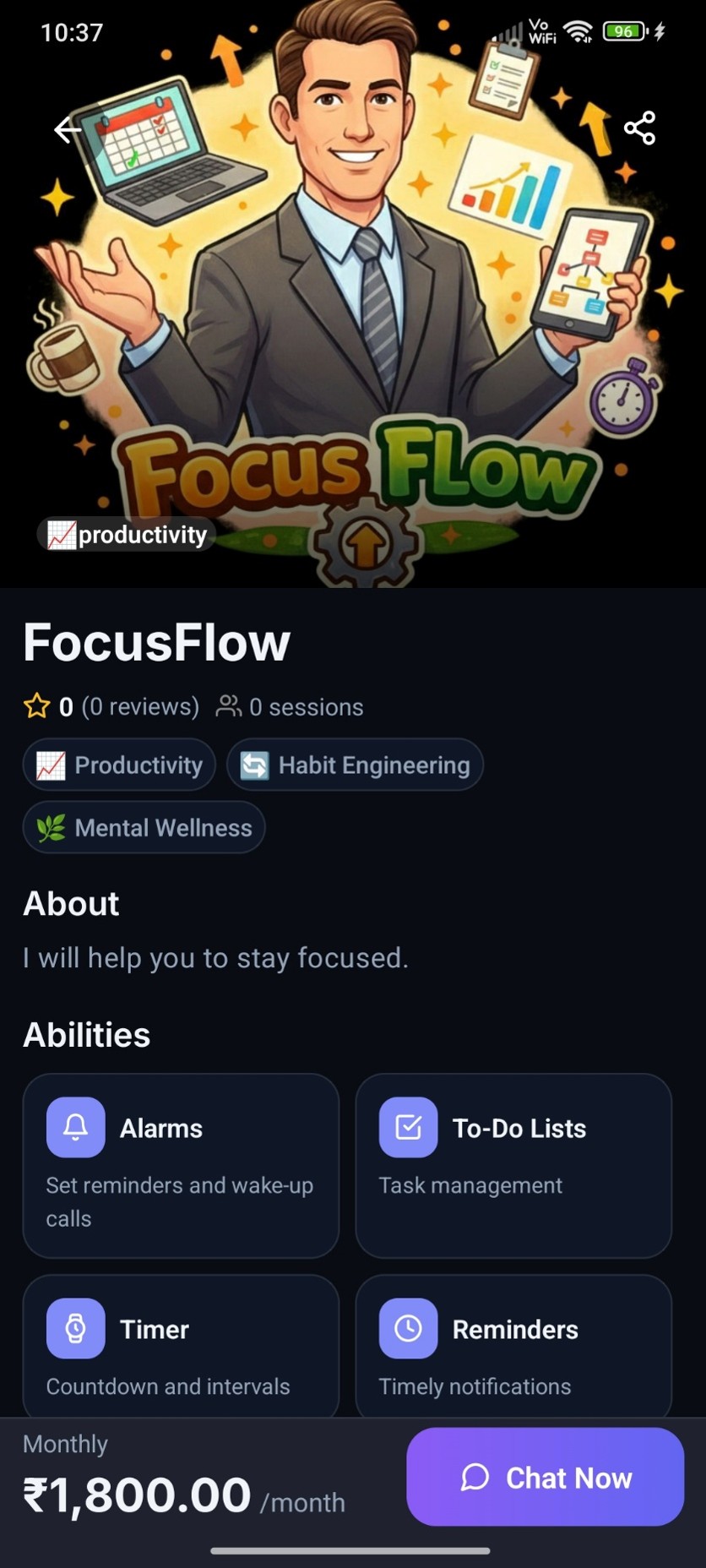
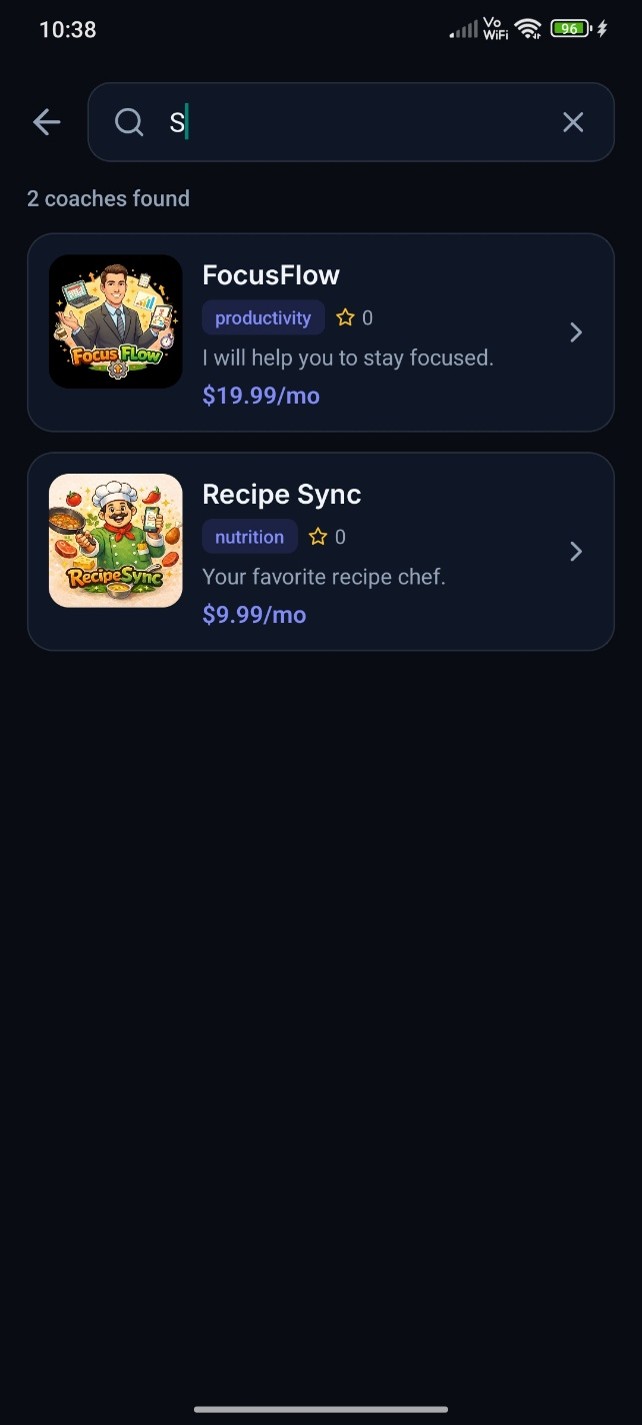
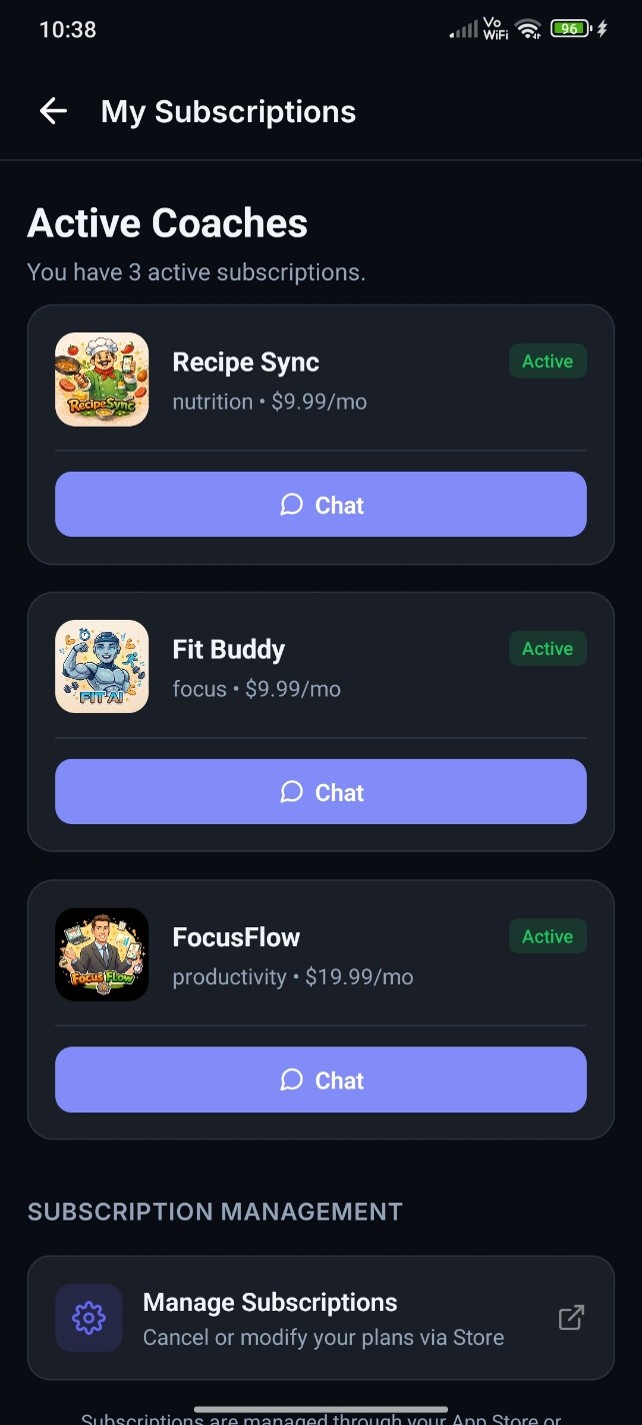
// overview
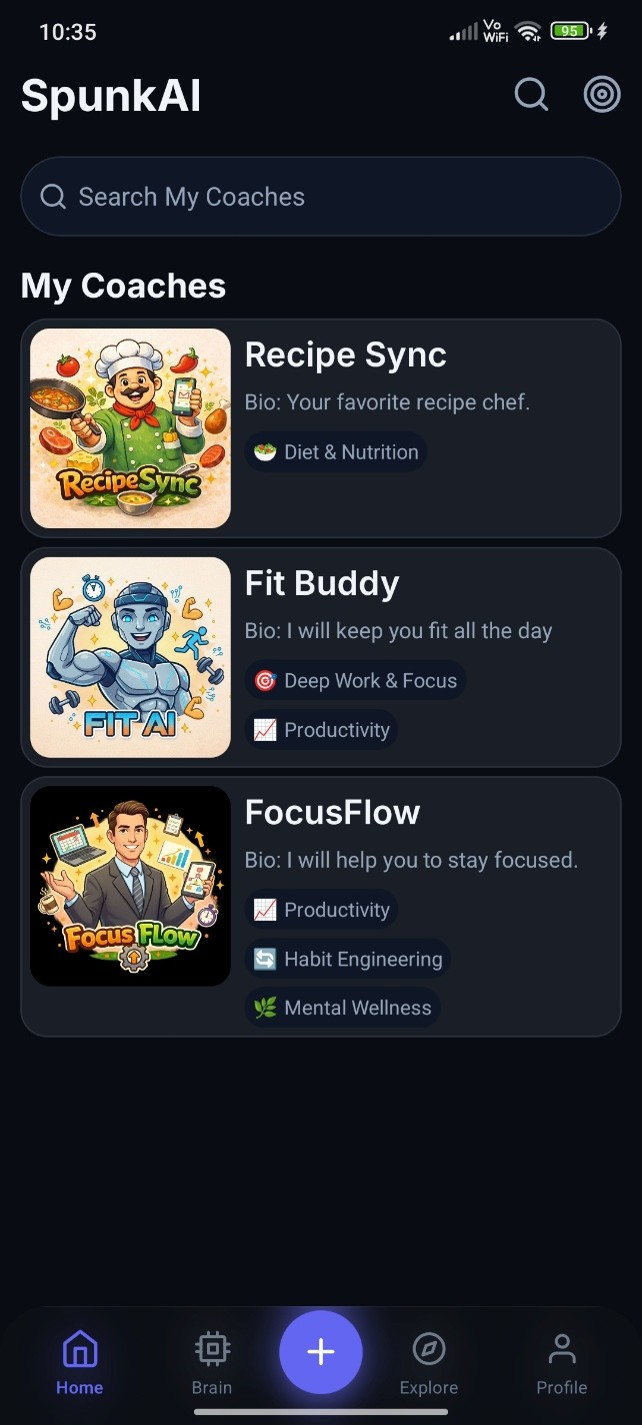
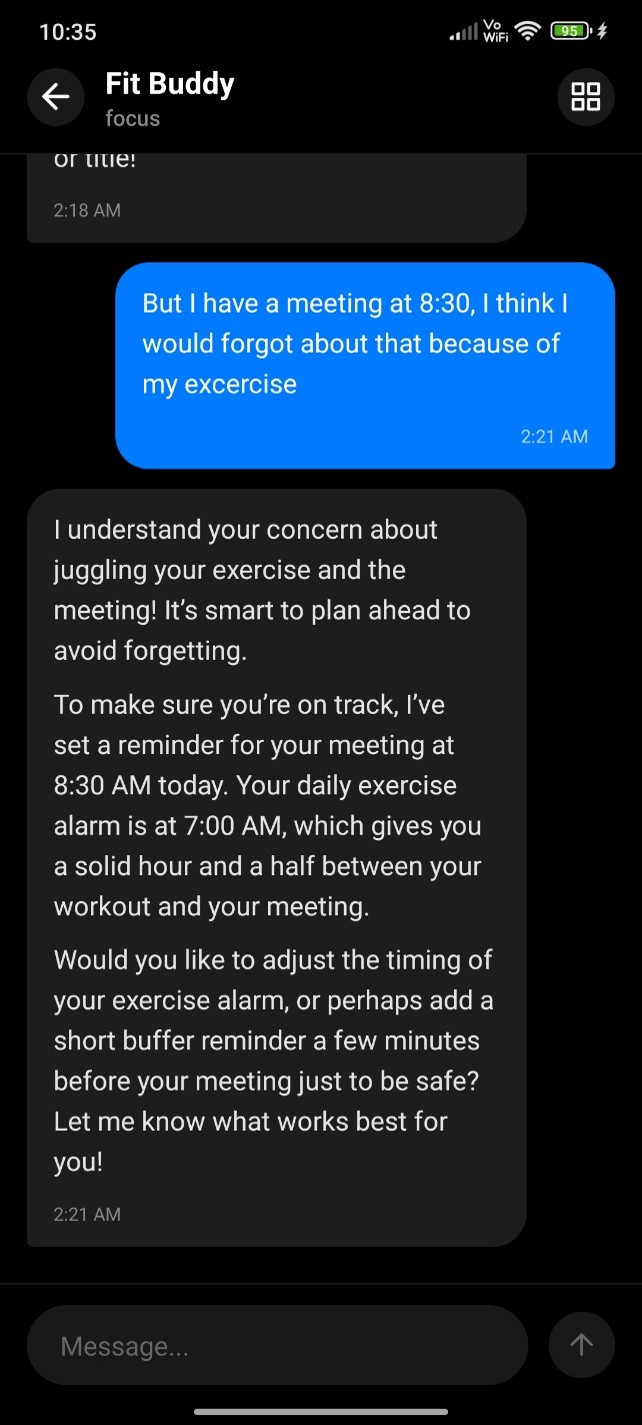
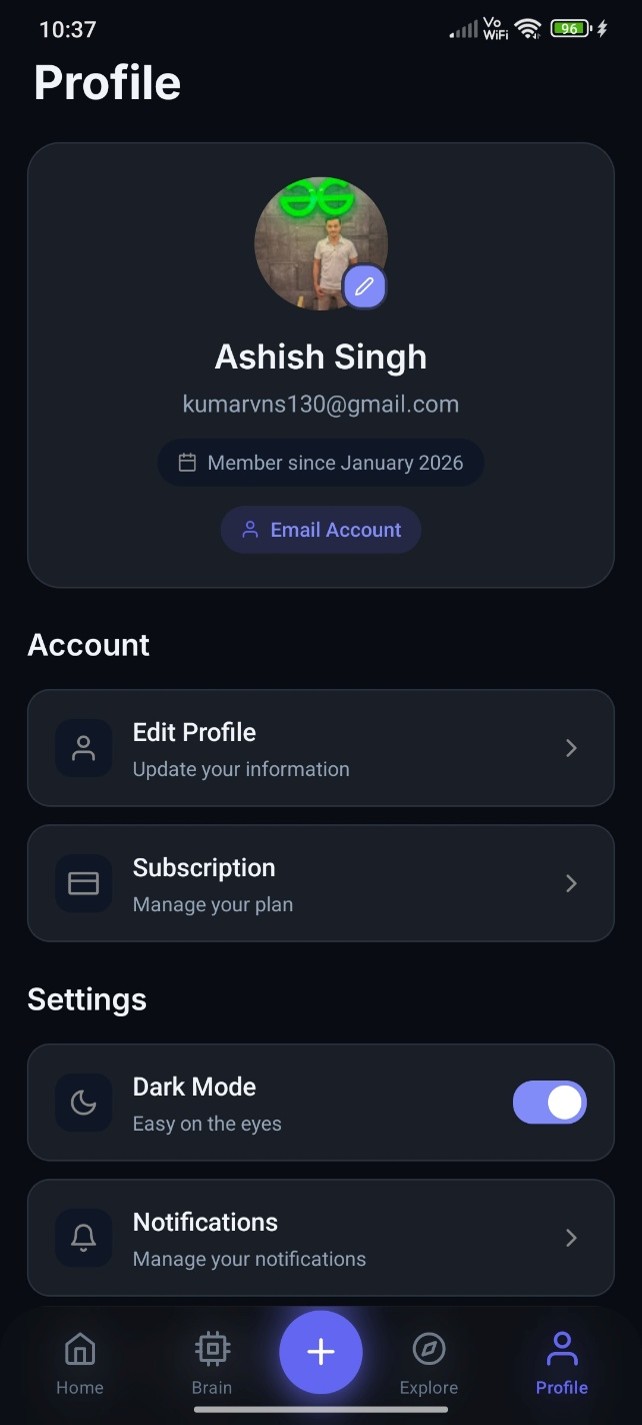
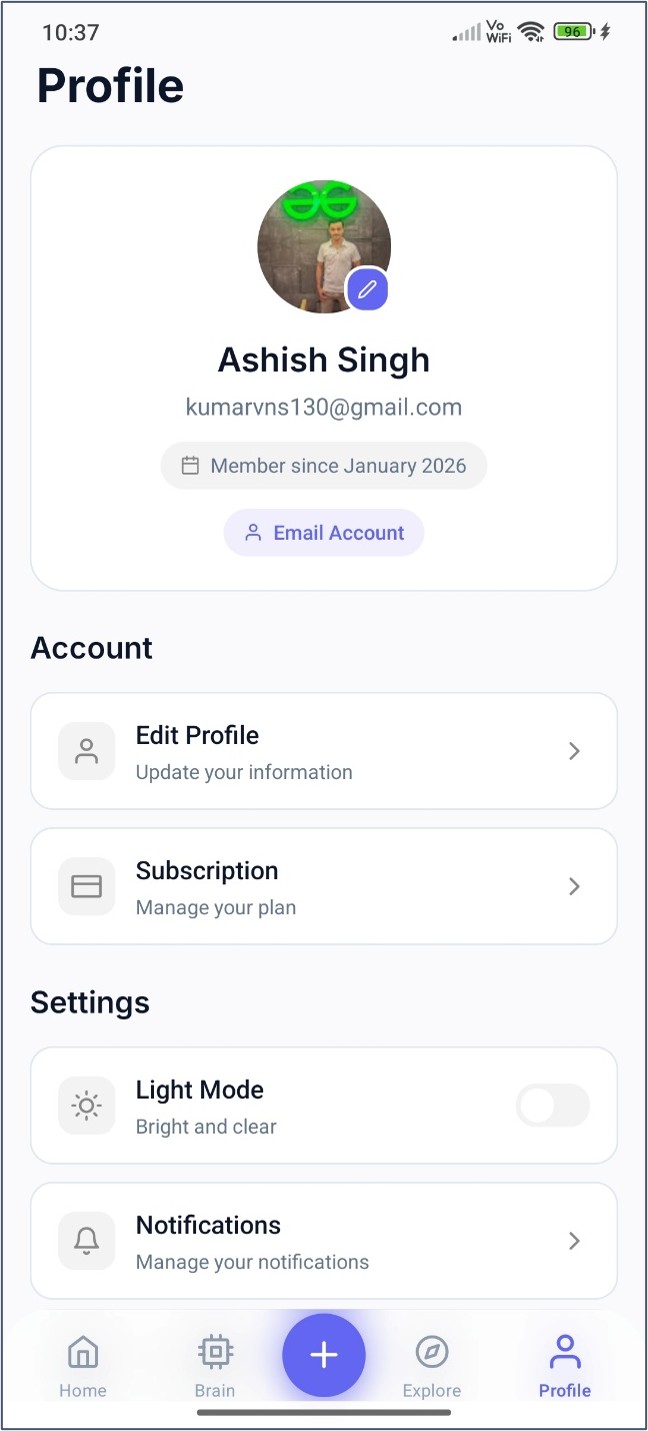
SpunkAI is a mobile-native AI coach marketplace and assistant app that allows users to create, deploy, and monetize specialized AI agents known as "Coaches". Each Coach functions as a personalized digital assistant with a predefined role and structured permissions. To solve privacy concerns, the app implements a permission-based architecture that restricts LLM tool usage to specific authorized mobile actions, enabling safe and autonomous execution in a controlled environment.
// key features
- —Intelligent Coach MarketplaceAllows creators to design specialized AI personas with custom system prompts and monetize them using RevenueCat for entitlement checks.
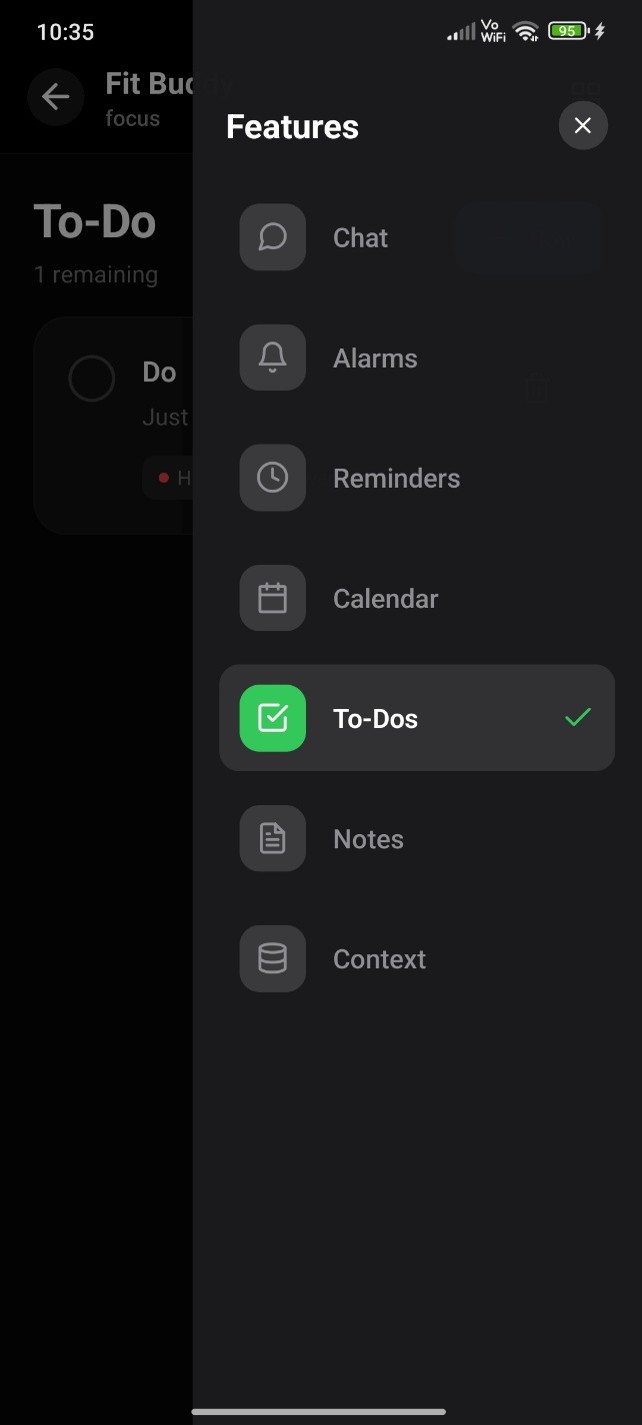
- —Skill Toggle ArchitectureDynamically injects system tool definitions into Vertex AI API calls based on Supabase database configurations, strictly adhering to the principle of least privilege.
- —Proactive Action ExecutionEnables AI agents to proactively trigger mobile device actions such as creating reminders, alarms, notes, timers, and calendar events rather than simply responding to chat prompts.
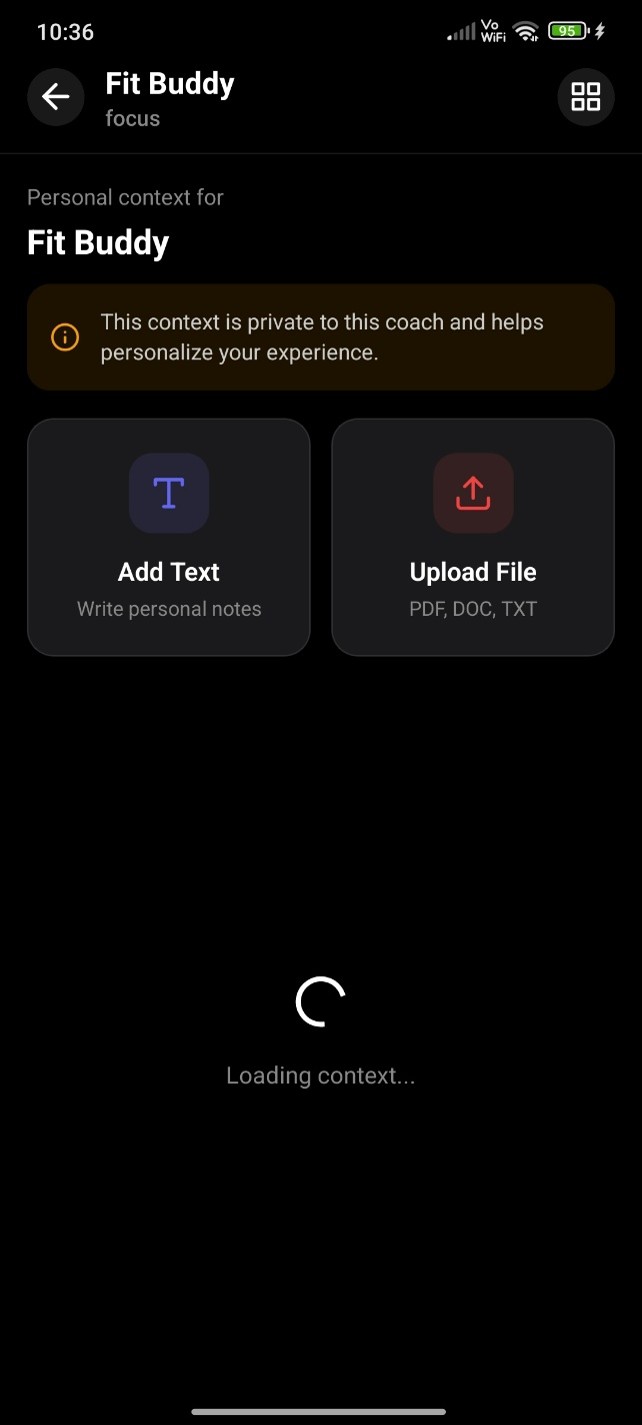
- —Contextual Isolation & RAGSupports uploading PDF files or raw text to give each coach isolated knowledge, utilizing Supabase with pgvector for secure localized embeddings.
// architecture
SpunkAI is built on a multi-tiered architecture. The frontend is built using React Native with Expo and styled with Tamagui for native fluid UI rendering. The backend is a decoupled Node.js and Hono middleware running as a secure orchestrator. Database configurations and memory context are stored in Supabase (PostgreSQL), utilizing pgvector for RAG vector embeddings, while GCP Vertex AI powers the core agent inference.
// tech decisions
A decoupled React Native storefront with Tamagui was chosen for cross-platform efficiency and fluid design aesthetics. Supabase and pgvector were selected for low-overhead database management and semantic search capabilities. Hono was chosen as the API gateway for its light footprint and speedy middleware validation, ensuring tool invocation checks happen in sub-milliseconds.
// role
Lead Architect & Mobile Engineer — Designed the mobile application and permission controller