TheFitsheets




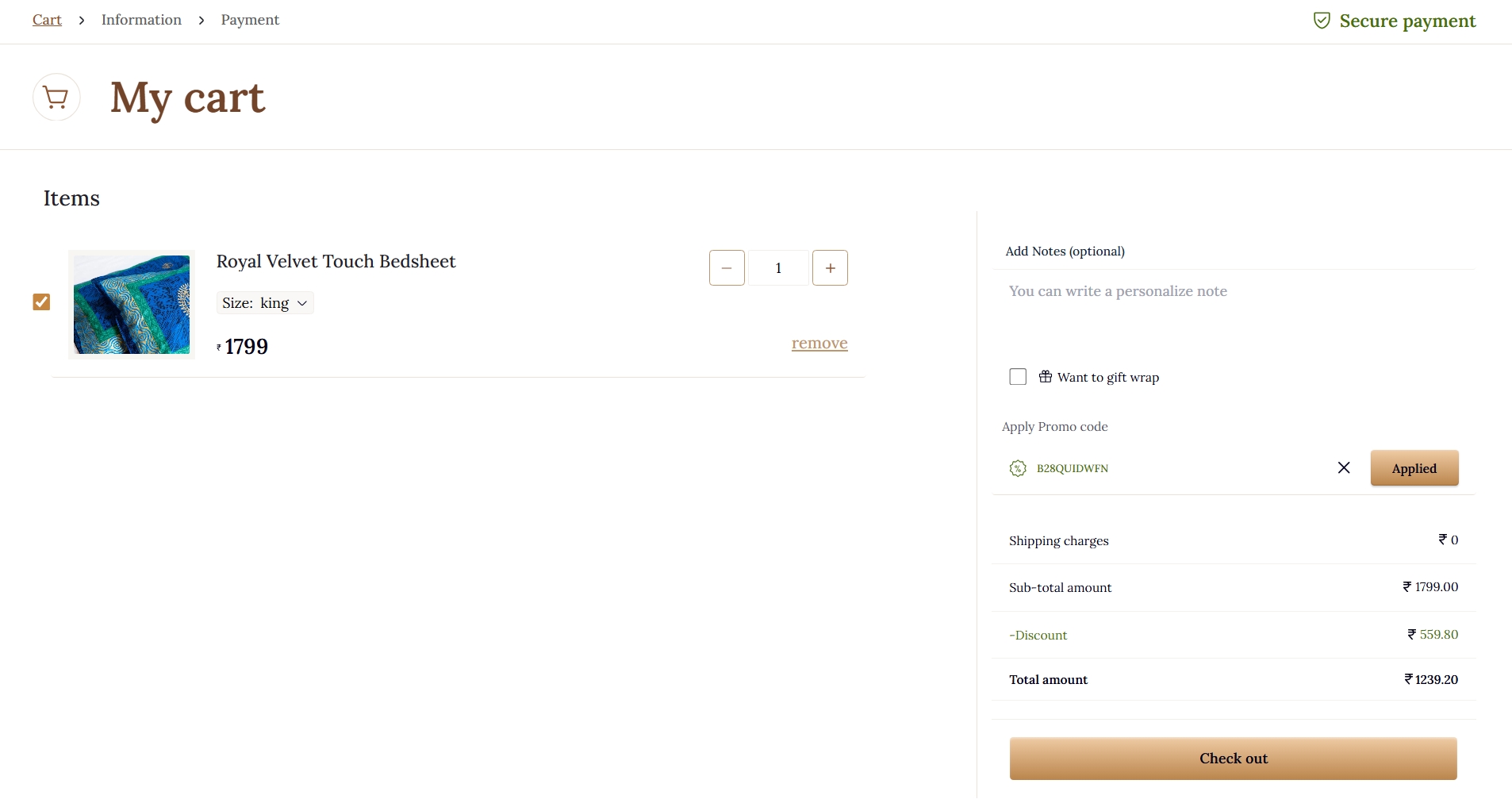
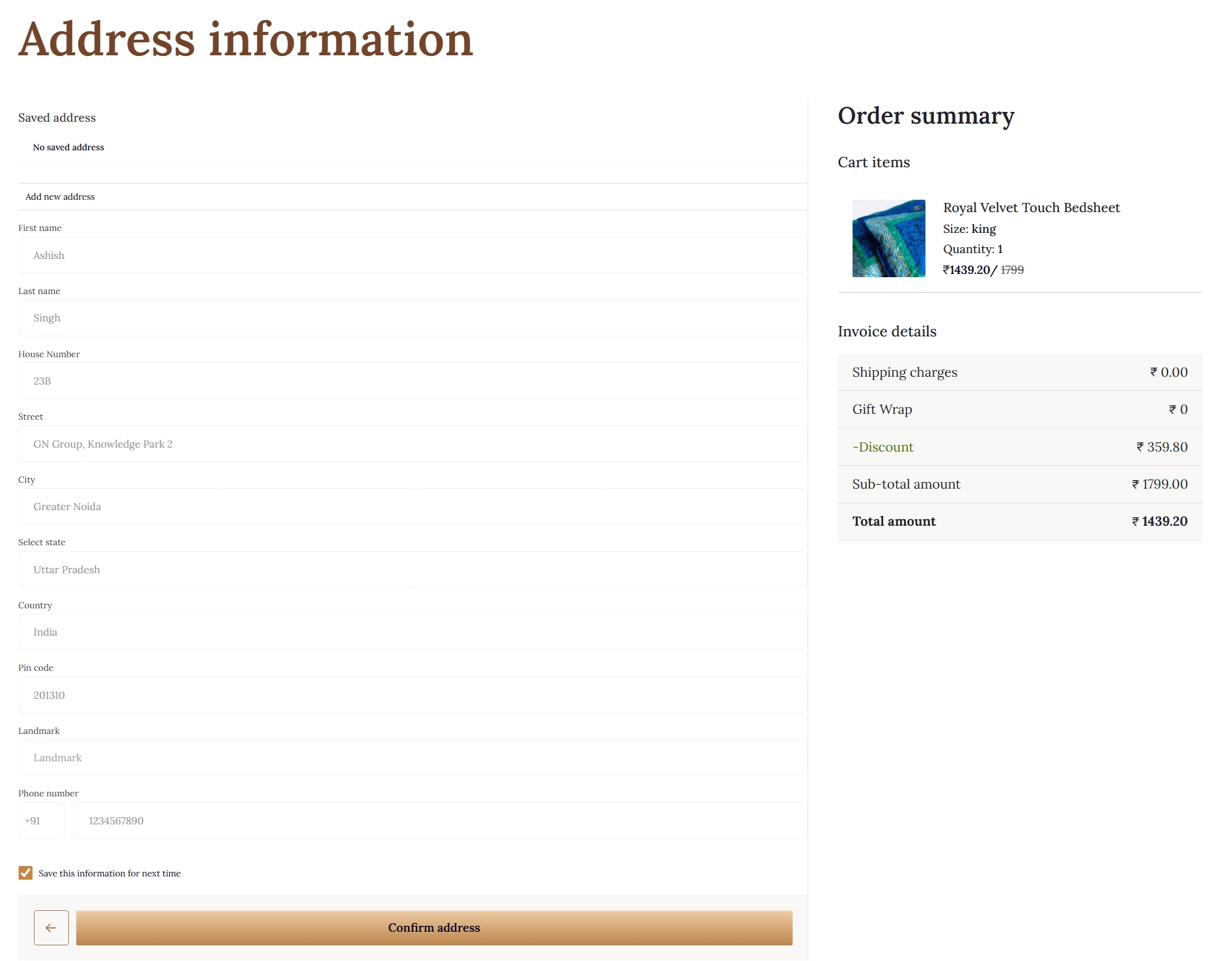
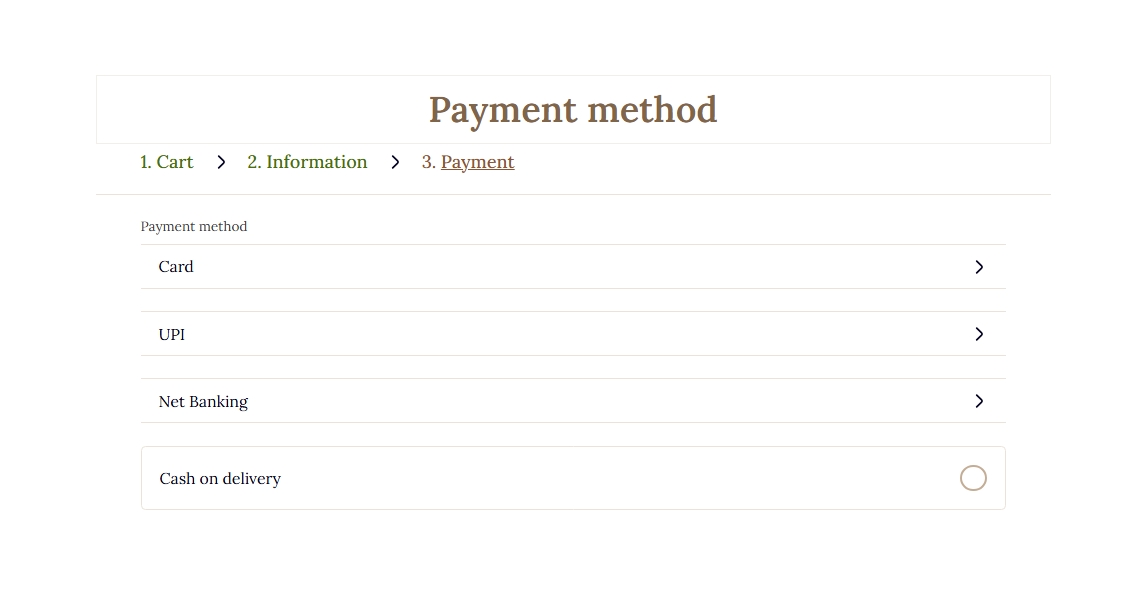



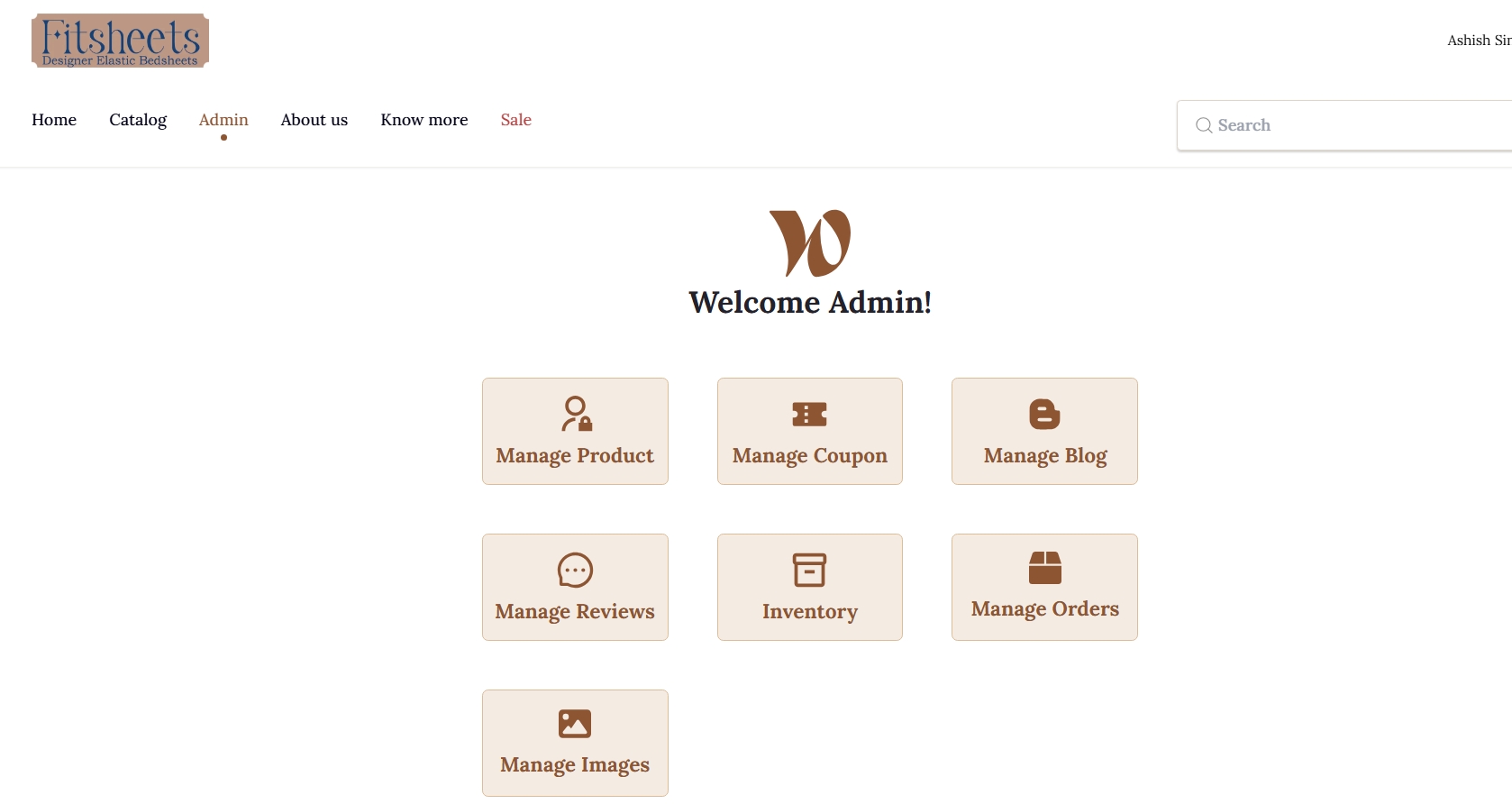
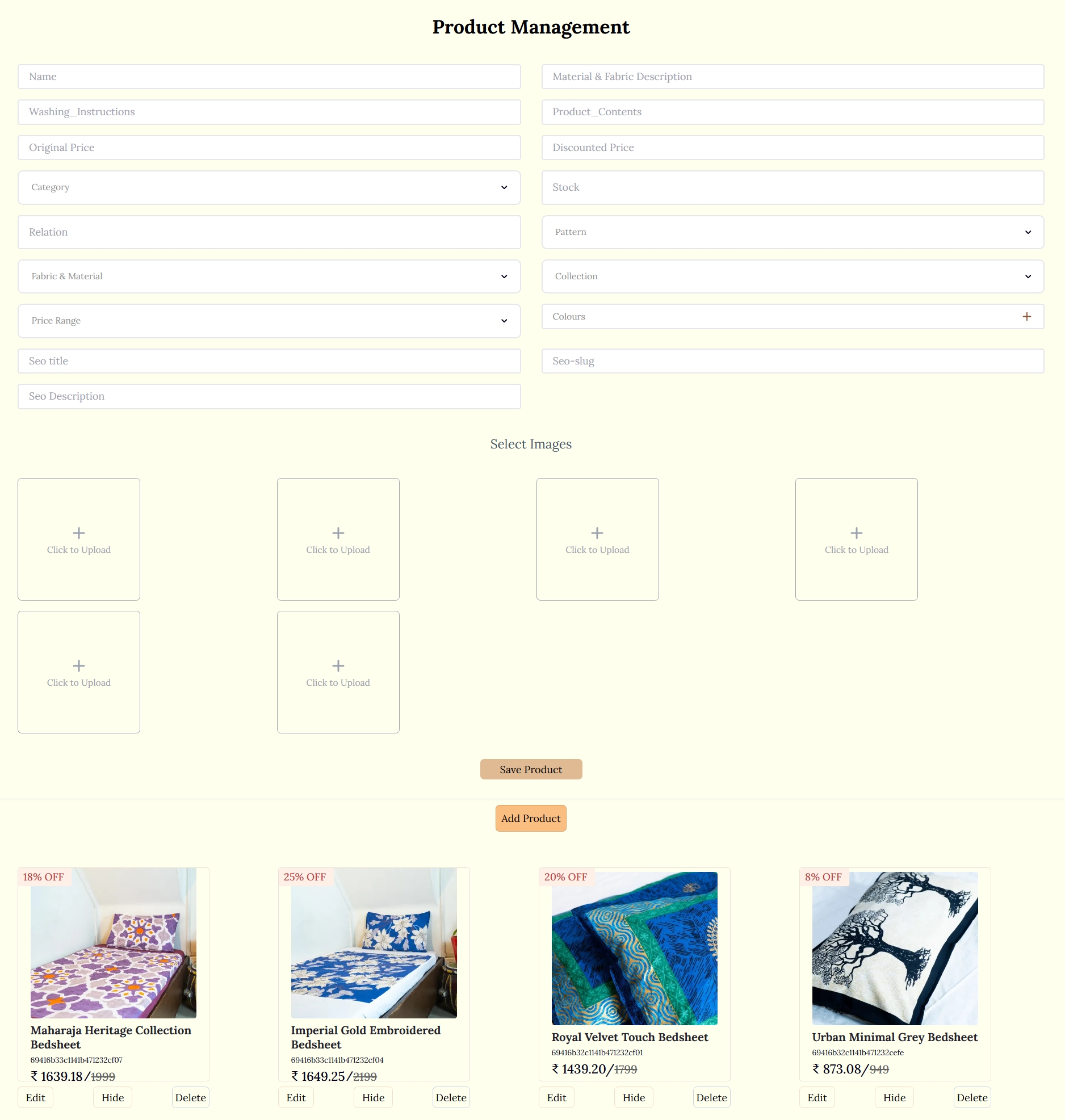
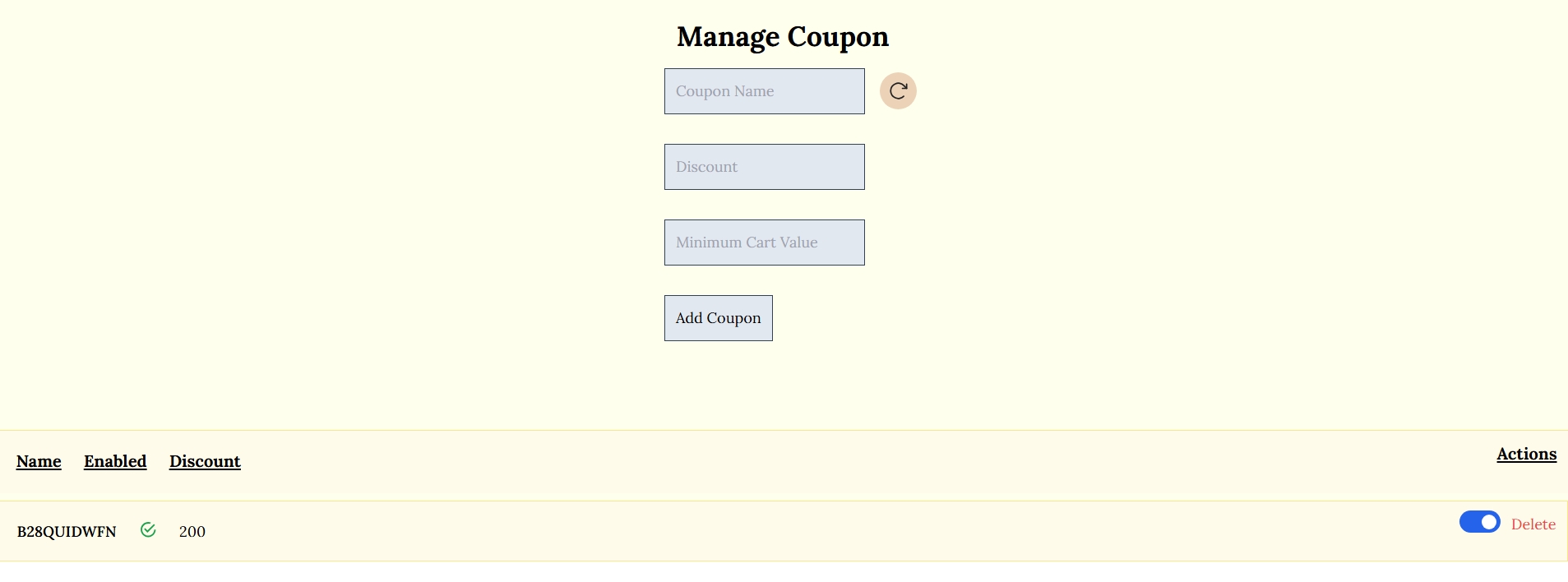
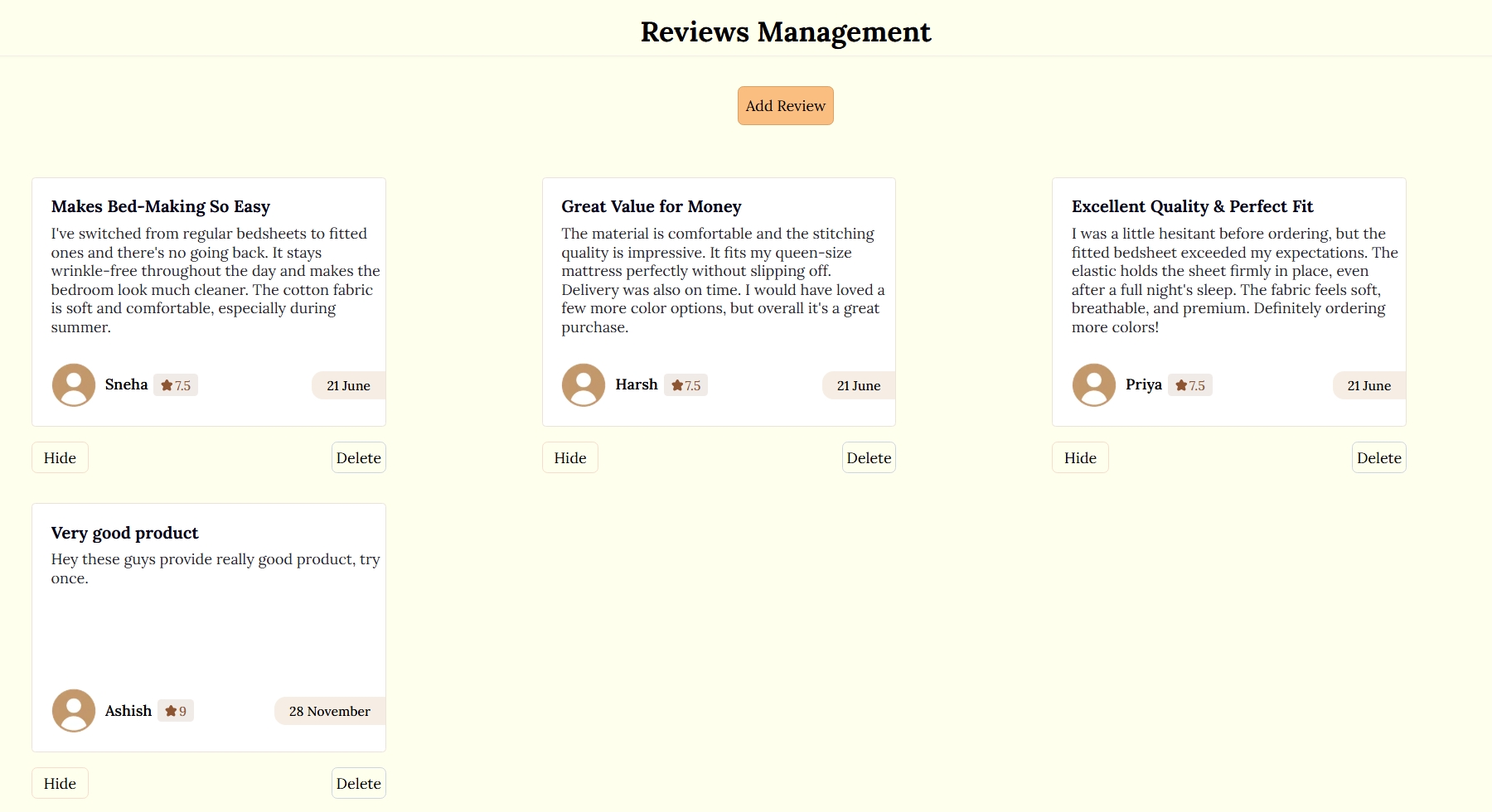
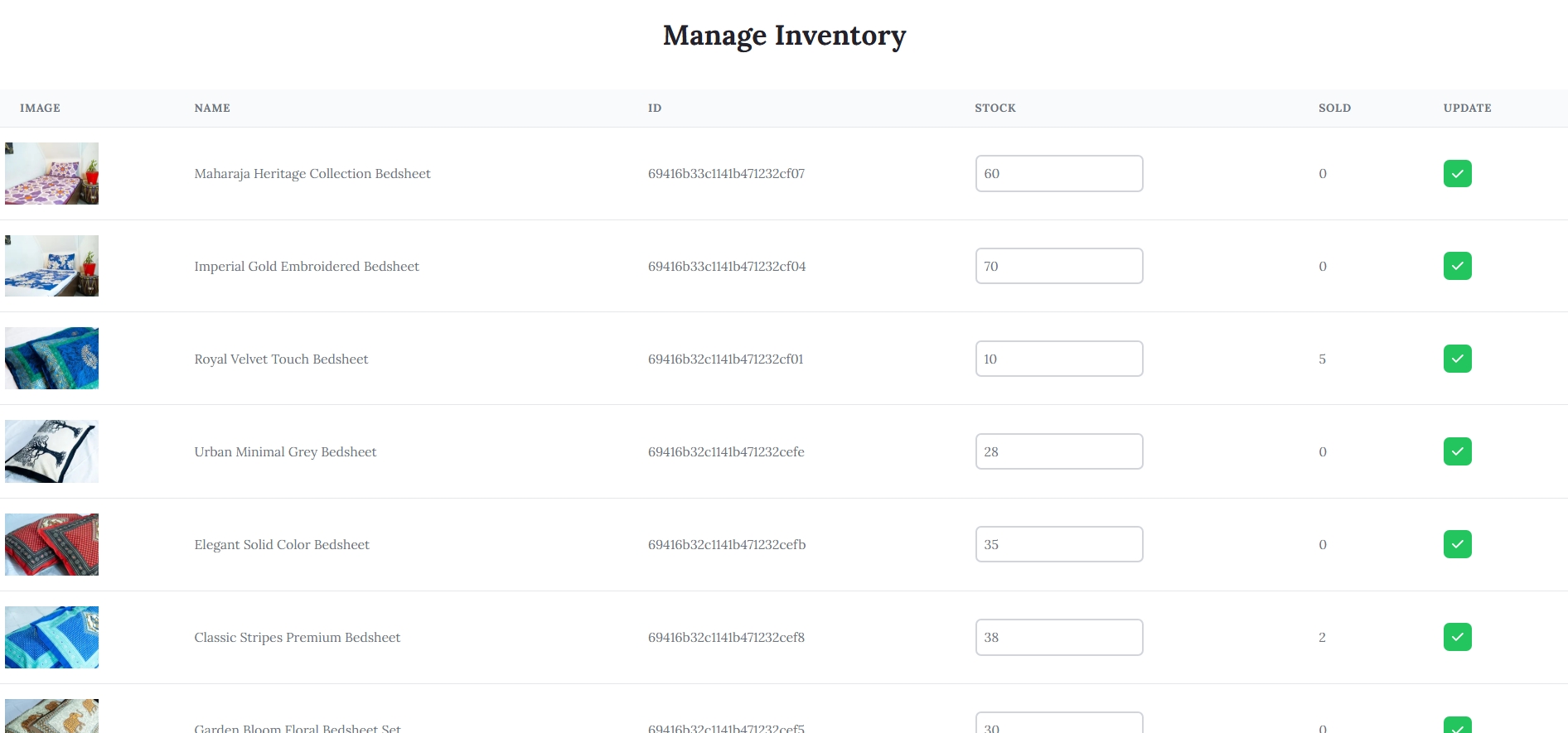
// overview
TheFitsheets is a highly scalable, enterprise-grade e-commerce platform designed to handle massive concurrent traffic spikes and deliver sub-second page loads. Featuring a decoupled architecture, it leverages a high-performance custom storefront, an advanced real-time inventory management system, and a robust administrative suite. The platform incorporates multi-layered caching, intelligent code splitting, and strict secure transaction flows to meet demanding enterprise requirements.
// key features
- —Enterprise Scale ArchitectureBuilt with a decoupled frontend and a dedicated load-balanced API backend to ensure maximum performance and fault tolerance.
- —Performance & OptimizationUtilizes route-based code splitting, dynamic lazy loading, and React component memoization to minimize client-side bundle sizes and achieve perfect Lighthouse performance scores.
- —Secure Transaction EngineIntegrates with Easebuzz payment gateway using tamper-proof cryptographic signatures, webhook validation, and tokenized payment states to guarantee financial security.
- —Multi-tiered Caching & NotificationsUses Redis for database query caching and session persistence, combined with Twilio for automated SMS/email customer notifications.
// architecture
The system is built on a highly performant decoupled architecture. The frontend is a Next.js application optimized with code splitting, dynamic imports, and component memoization. It communicates with a dedicated Node.js and Express backend hosted on AWS EC2 behind an Application Load Balancer (ALB). The backend is optimized for horizontal scalability, leveraging Redis as a high-speed caching layer for hot product catalogs, database queries, and session state, backed by a clusterized MongoDB instance for primary data persistence.
// tech decisions
Decoupling the frontend and backend allowed independent scaling of the user-facing catalog and checkout APIs. AWS Application Load Balancer was selected to automatically distribute incoming traffic across multiple containerized Express servers during high-demand promotional events. Redis integration was crucial to avoid database bottlenecks, keeping response times under 50ms by serving product configurations directly from memory.
// role
Lead Developer — Managed and architected the primary frontend and backend services